
Crypto Network Fees Explained: Gas Fees, Transaction Fees and Why They Change

Whenever you send cryptocurrency, swap tokens, interact with a smart contract or use a blockchain application, you may have to pay a network fee. This fee compensates the network for processing your transaction and helps prevent spam and excessive use of…
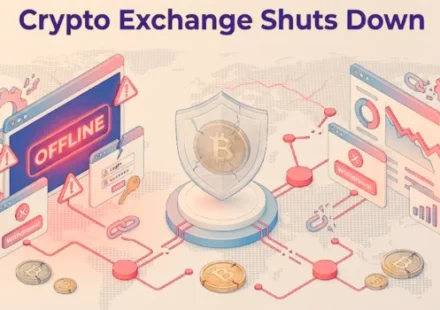
What Happens to Crypto When an Exchange Shuts Down?
Cryptocurrency exchanges are used to buy, sell and store digital assets, but keeping crypto on an exchange involves an additional risk: what happens if the exchange stops operating? The outcome depends on why the exchange shuts down and how the closure…

Crypto Wallet vs Exchange Wallet: Difference, Security and Ownership
When you buy cryptocurrency, you need a way to store and manage access to your digital assets. Two common options are a crypto wallet and an exchange wallet. The main difference is who controls the private keys. With a self-custody crypto wallet, you…
What Is a Crypto Transaction Hash? How to Track a Blockchain Transaction
When you send or receive cryptocurrency, the transaction is recorded on a blockchain. To identify and track that transaction, you can use a transaction hash, also called a transaction ID (TXID). A transaction hash is a unique string of letters and…

Why Is a Crypto Transaction Pending? Causes and What to Do
A crypto transaction does not always become successful immediately after you click Send. Sometimes your wallet or exchange shows the transaction as Pending, leaving you wondering whether the money is safe or whether you need to take action. A pending…