Railway stations are strong locations for food businesses because they serve a large number of passengers every day. People often need tea, breakfast, snacks, meals, beverages and quick food while waiting for trains or during long journeys.
For entrepreneurs, this creates several opportunities, including tea stalls, food stalls, fast-food outlets, restaurants, food plazas, refreshment rooms and other catering units.
However, starting a food business inside a railway station is different from opening a normal restaurant. Railway premises are regulated, and commercial catering units generally operate through an authorised licence, tender, contract or allotment. Food operators must also comply with applicable food-safety requirements.
Quick Information
| Business Type | Suitable For | Main Demand |
| Tea & Coffee Stall | Small operators | Tea, coffee, snacks |
| Food Stall | Small/medium operators | Quick meals and snacks |
| Fast Food Unit | Experienced operators | Quick-service food |
| Café | Medium/large operators | Beverages and snacks |
| Food Plaza | Established businesses | Multiple cuisines |
| Restaurant | Larger stations | Full meals |
| Refreshment Room | Major stations | Meals and beverages |
| Packaged Food Outlet | Retail operators | Ready-to-eat products |
Why Railway Station Food Businesses Have Potential
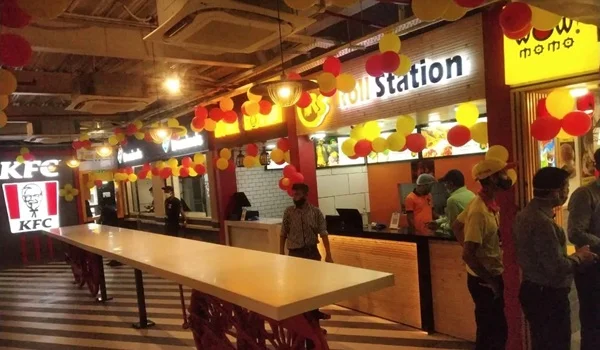
Food is one of the basic requirements of railway passengers.
Unlike many retail products, food has daily and immediate demand. A passenger waiting for two hours may buy a meal, while someone rushing to a platform may only buy tea and a snack.
The customer base can include:
- Daily commuters
- Long-distance passengers
- Families
- Students
- Tourists
- Business travellers
- Railway employees
- Passengers changing trains
The opportunity becomes particularly interesting at stations with high passenger footfall.
- Railway Station Tea and Coffee Stall
A tea and coffee stall is one of the simplest food-business concepts at a railway station.
Passengers frequently want something quick rather than a full meal.
Products can include:
- Tea
- Coffee
- Milk
- Packaged snacks
- Biscuits
- Light breakfast items
- Bottled beverages
The major advantage is quick service. Customers usually do not want to spend 20–30 minutes waiting for a cup of tea when their train is about to arrive.
- Railway Station Food Stall
A food stall can offer a wider selection than a simple tea counter.
Depending on the applicable licence and permitted menu, it can serve:
- Samosa
- Kachori
- Poha
- Idli
- Vada
- Sandwiches
- Packed meals
- Regional snacks
Indian Railways’ 2023–24 statistics reported 9,308 minor static catering units, including stalls and trolleys, showing the scale of small catering operations across the railway network.
The exact products and prices permitted at a particular location depend on the applicable railway contract and rules.
- Railway Station Fast Food Unit
Fast food units are designed for passengers who want food quickly.
Possible offerings include:
- Burgers
- Sandwiches
- South Indian food
- Pizza
- Wraps
- Snacks
- Beverages
IRCTC has issued tenders for setting up and operating Fast Food Units (FFUs) at railway stations. These opportunities are normally governed by specific tender documents and licence conditions rather than being open like an ordinary roadside restaurant.
- Railway Station Café
A café can target passengers who have longer waiting periods.
Unlike a small food stall, a café may provide:
- Tea and coffee
- Cold beverages
- Bakery items
- Sandwiches
- Desserts
- Light meals
A café can be especially suitable for major stations where passengers spend considerable time in waiting areas.
However, space availability, licence conditions, permitted menu and commercial terms need to be checked before considering this business model.
- Railway Station Food Plaza
A food plaza is a larger food-service opportunity.
IRCTC tender documents describe food plazas as establishments intended to offer multiple cuisines under one roof, generally supported by a common kitchen.
A food plaza can potentially include different food categories such as:
- North Indian
- South Indian
- Chinese
- Fast food
- Snacks
- Beverages
This model is more suitable for established food operators because the infrastructure, staffing and operating requirements can be considerably greater than those of a small stall.
- Railway Station Restaurant
A full restaurant can provide a broader menu and seating facility.
It may target passengers who have:
- Long waiting times
- Train connections
- Families travelling together
- Business meetings
- Longer breaks between trains
A restaurant can provide breakfast, lunch, dinner and snacks depending on its permitted operations.
However, availability of a suitable railway commercial space is an important factor.
- Refreshment Room
Refreshment rooms are another established railway catering category.
They can provide passengers with meals, snacks and beverages while they wait for trains.
Indian Railways’ catering framework includes different types of static catering units, including refreshment rooms and other catering establishments.
The business model and operating conditions depend on the particular railway tender or licence.
- Regional Food Business
Regional food can be an interesting concept at railway stations.
For example, a station in a tourist or culturally important city may have demand for local specialties.
Examples could include:
- Rajasthani snacks
- South Indian breakfast
- Bengali sweets
- Gujarati snacks
- Punjabi food
- Local sweets
Regional food can differentiate a business from generic fast-food outlets.
It can also appeal to tourists who want to try local food before continuing their journey.
- Packaged Food Outlet
A packaged-food business is relatively straightforward compared with a full restaurant.
Products may include:
- Packaged snacks
- Biscuits
- Ready-to-eat meals
- Packaged sweets
- Bottled beverages
- Other permitted food products
This model can reduce the complexity of on-site cooking, although storage, food safety, pricing and railway licensing requirements still need to be followed.
- Bakery and Snack Counter
A bakery counter can focus on ready-to-eat products.
Possible products:
- Cakes
- Pastries
- Muffins
- Cookies
- Bread
- Puffs
- Sandwiches
Passengers can easily carry these products onto trains, making them suitable for railway travel.
Food Delivery at Railway Stations
Another business model connected to railway food is food delivery to train passengers.
Instead of operating a traditional food stall, food businesses can potentially participate in authorised railway food-delivery ecosystems.
IRCTC’s eCatering service allows passengers to order food from participating restaurants and vendors for delivery at selected railway stations.
This creates an opportunity for restaurants and food businesses that want railway customers without necessarily operating a conventional platform stall.
How to Start a Railway Station Food Business
Starting a food business inside a railway station requires careful planning.
Step 1: Choose the Business Model
Decide whether you want:
- Tea stall
- Food stall
- Café
- Fast-food unit
- Food plaza
- Restaurant
- Refreshment room
- Packaged-food outlet
Step 2: Find the Right Opportunity
Look for current commercial opportunities through relevant railway authorities, IRCTC and government e-procurement platforms.
Do not rely on old tender advertisements because railway commercial opportunities can change.
Step 3: Check Eligibility
Tender documents may specify requirements relating to:
- Business experience
- Financial capacity
- EMD
- Security deposit
- Licence fee
- Company structure
- Food-related qualifications
- Other documents
Eligibility is different for different contracts.
Step 4: Calculate the Total Cost
Do not consider only the licence or tender amount.
Your business calculation should include:
- Licence/contract cost
- Kitchen equipment
- Furniture
- Staff salaries
- Raw materials
- Packaging
- Electricity
- Cleaning
- Transportation
- Taxes
- Maintenance
- Working capital
Food Safety Requirements
Food safety is extremely important for railway catering businesses.
Indian Railways has highlighted FSSAI certification for catering units and food-safety monitoring as part of its catering operations.
Depending on the business, operators may also need to follow requirements related to:
- Food storage
- Hygiene
- Cooking practices
- Waste disposal
- Pest control
- Clean water
- Staff hygiene
- Food labelling
- Billing and pricing
The exact requirements should always be checked against the current licence and applicable regulations.
How Much Investment Is Needed?
There is no fixed investment amount for a railway station food business.
A small tea or snack stall can have a very different financial requirement from a food plaza or full restaurant.
The actual cost depends on:
- Station category
- Space size
- Location within the station
- Licence period
- Tender terms
- Equipment required
- Menu
- Staff requirements
- Existing infrastructure
For this reason, generic claims such as “a railway food stall needs exactly ₹5 lakh” should be avoided. The relevant tender document is the better source for determining the financial commitment for a particular opportunity.
How to Make a Railway Food Business Successful
- Focus on Speed
Railway passengers have limited time. Quick service is a major advantage.
- Maintain Consistent Quality
The same food quality should be maintained throughout operating hours.
- Keep the Menu Practical
A very large menu can increase wastage and operational complexity.
- Maintain Hygiene
Clean preparation and serving areas are essential for customer trust.
- Use Digital Payments
UPI and other digital payment options make transactions faster and more convenient.
- Understand Passenger Demand
A station dominated by daily commuters may have different food preferences from a major tourist station.
- Control Food Waste
Food wastage can significantly affect margins, especially for products with short shelf lives.
Common Challenges
Railway station food businesses can be attractive, but they also have challenges.
High Competition
Busy stations may already have several food outlets.
Operating Costs
Licence fees, staff, ingredients and other operating costs can affect profitability.
Strict Compliance
Food businesses need to follow railway and food-safety requirements.
Passenger Rush
Demand can change sharply depending on train schedules.
Limited Space
Many railway commercial units have limited kitchen and storage space.
Railway Station Food Business vs Restaurant Near Railway Station
You do not necessarily need a railway licence to benefit from railway passengers.
| Factor | Inside Railway Station | Near Railway Station |
| Railway licence | Usually required | Generally not required for private premises |
| Passenger access | Direct | Indirect |
| Footfall | Potentially high | Depends on location |
| Competition | Often high | Varies |
| Operating restrictions | More | Generally fewer |
| Business flexibility | Limited by contract | Usually greater |
| Location control | Railway-controlled | Private/commercial property |
For some entrepreneurs, opening a restaurant or café near a busy railway station may be easier than obtaining a commercial unit inside the station.
Is Railway Station Food Business Profitable?
It can be profitable, but profitability is not guaranteed.
The main factors include:
- Passenger footfall
- Average order value
- Food margins
- Licence cost
- Rent or commercial charges
- Staff expenses
- Raw-material prices
- Food wastage
- Competition
- Operating hours
A business at a major junction may have a completely different revenue profile from one at a small station.
Therefore, calculate profitability using the actual tender terms and expected sales for the specific station.
Final Thoughts
Railway station food businesses can provide attractive commercial opportunities because food is a basic passenger requirement. Tea stalls, food stalls, fast-food units, cafés, restaurants, food plazas and packaged-food outlets can all serve different customer needs.
However, success depends on much more than passenger footfall. Entrepreneurs need to evaluate the tender, licence cost, location, competition, food-safety requirements, operating expenses and expected sales before investing.
For a new entrepreneur, a smaller authorised food or beverage unit may be easier to manage. Experienced food operators can explore larger opportunities such as fast-food units, restaurants, food plazas and railway food-delivery channels.
FAQs
Can I open a food stall inside a railway station?
You generally need the relevant railway authorisation, licence, allotment or contract. You cannot simply start selling food from railway premises without permission.
Which railway food business is best for beginners?
A small tea, beverage or snack operation may be easier to manage than a full restaurant or food plaza, provided a suitable authorised opportunity is available.
Is a railway food business profitable?
It can be, but profitability depends on passenger footfall, licence costs, pricing, food margins, competition, staff expenses and wastage.
Do railway food businesses need FSSAI registration or licensing?
Food businesses must comply with applicable FSSAI requirements, along with the conditions imposed under the relevant railway contract or licence.
Can restaurants outside railway stations serve railway passengers?
Yes. Restaurants near busy railway stations can target passengers without operating directly inside railway premises. They can also explore authorised food-delivery opportunities where available.
Where can I find railway food business tenders?
Check the official websites and tender portals of the relevant railway authorities, IRCTC and the government e-procurement system for current opportunities. Always verify the latest tender document before making an investment.