Finding the right wholesale supplier is one of the most important steps when starting a small business in India. Whether you plan to open a retail shop, start an online store, sell through marketplaces or build a distribution business, your supplier directly affects your product cost, profit margin, quality and ability to maintain regular stock.
A supplier offering a low price is not automatically the right choice. Delivery time, minimum order quantity, product quality, payment terms, return policies and reliability can be equally important.
India has a large wholesale market covering categories such as clothing, footwear, electronics, cosmetics, FMCG, stationery, home products, handicrafts and industrial goods. This gives small businesses many options, but it also makes supplier selection more difficult.
This guide explains how to find wholesale suppliers in India, where to search, how to verify suppliers and what questions to ask before placing your first bulk order.
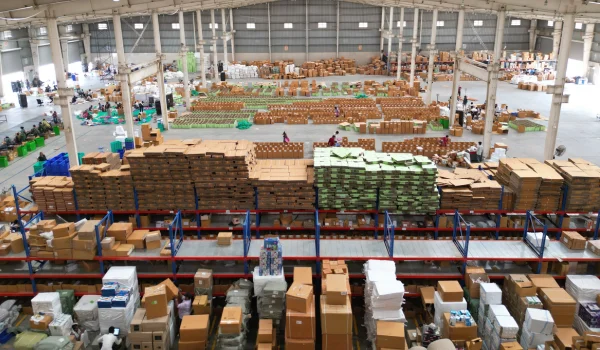
What Is a Wholesale Supplier?
A wholesale supplier sells products in larger quantities, usually at prices lower than retail prices.
Depending on the business, a wholesale supplier may be:
- A manufacturer
- An authorised distributor
- A wholesaler
- An importer
- A super stockist
- A regional distributor
- A trading company
For example, a clothing retailer may purchase garments directly from a manufacturer, while a small grocery store may purchase products from a distributor serving its local area.
The best supplier depends on your product category, order size and business model.
Why Choosing the Right Supplier Matters
Your supplier affects several areas of your business.
Product Cost
The purchase price determines how much room you have for your selling margin.
Product Quality
Poor-quality products can lead to returns, customer complaints and damage to your reputation.
Stock Availability
If your supplier frequently runs out of popular products, you may lose sales.
Delivery
Late deliveries can create problems when customers expect quick fulfilment.
Payment Terms
Credit terms can reduce working-capital pressure, while advance payment requirements may increase the amount of money you need to keep available.
For these reasons, supplier selection should be treated as a business decision rather than simply a search for the cheapest price.
Where to Find Wholesale Suppliers in India
There are several ways to find suppliers.
- Online B2B Platforms
Online B2B marketplaces can be useful for finding manufacturers, wholesalers and distributors.
You can search by:
- Product category
- Location
- Manufacturer
- Supplier type
- Minimum order quantity
- Price range
However, being listed on a B2B platform does not by itself prove that a supplier is reliable. You should still verify the business before making a large payment.
- Manufacturer Websites
If you already know the brand or product you want to sell, visit the manufacturer’s official website.
Look for sections such as:
- Distributor enquiry
- Dealer enquiry
- Business enquiry
- Become a distributor
- Partner with us
- Contact sales
Buying directly from a manufacturer can sometimes provide better pricing or more consistent supply, although minimum order requirements may be higher.
- Wholesale Markets
India has several established wholesale markets specialising in particular product categories.
Depending on the product, you can explore wholesale markets for:
- Clothing
- Jewellery
- Electronics
- Hardware
- Food products
- Furniture
- Home décor
- Footwear
- Stationery
Visiting a physical market allows you to compare products, negotiate prices and inspect quality before purchasing.
- Trade Fairs and Exhibitions
Trade exhibitions can be useful for discovering manufacturers and suppliers that may not be easy to find through ordinary searches.
They also allow you to:
- Meet suppliers directly
- Compare products
- Discuss pricing
- Ask about private labelling
- Understand minimum order quantities
- Build long-term business relationships
Industry-specific exhibitions are particularly useful when you are looking for specialised products.
- Local Manufacturers
Do not overlook manufacturers in your own city or nearby industrial areas.
A local supplier may offer advantages such as:
- Lower transportation costs
- Faster delivery
- Easier communication
- Easier product inspection
- Faster replacement of defective products
Search industrial areas, manufacturing clusters and local business directories related to your product category.
How to Search for a Wholesale Supplier
Instead of searching only for a product name, use specific search terms.
For example, if you want to sell garments, searches could include:
- Garment manufacturers in India
- Wholesale clothing suppliers
- Clothing manufacturers in [city]
- Wholesale cotton garment suppliers
- Private-label clothing manufacturers
- Clothing distributors
Similarly, for another product category, combine the product name with terms such as manufacturer, wholesaler, distributor, supplier, bulk supplier or dealer.
This can help you find different types of suppliers rather than relying on a single search result.
How to Compare Wholesale Suppliers
Do not choose the first supplier who gives you a quotation.
Create a comparison sheet containing:
| Factor | Supplier A | Supplier B | Supplier C |
| Product price | |||
| Minimum order quantity | |||
| Shipping cost | |||
| Delivery time | |||
| Payment terms | |||
| Return policy | |||
| Product quality | |||
| GST invoice | |||
| Replacement policy | |||
| Customisation |
This makes it easier to compare suppliers objectively.
Check the Minimum Order Quantity
Minimum Order Quantity, commonly called MOQ, is the smallest quantity a supplier requires you to purchase.
For example, a supplier may require a minimum order of 100 pieces, 500 pieces or a certain minimum order value.
A low per-unit price may look attractive, but a very high MOQ can create problems for a new business.
Large quantities can result in:
- Money being blocked in inventory
- Storage problems
- Slow-moving stock
- Higher risk of unsold products
If you are starting with limited capital, look for suppliers offering manageable MOQs.
Ask for Samples Before Bulk Orders
A sample can help you evaluate the actual product before investing in large quantities.
Check:
- Material
- Size
- Finish
- Packaging
- Colour
- Functionality
- Manufacturing quality
- Labelling
- Product consistency
For some products, one sample may not be enough. If possible, test multiple pieces from the supplier before placing a large order.
Verify the Supplier Before Paying
Supplier verification is especially important when dealing with an unfamiliar business online.
Check the available business information, such as:
- Legal business name
- GST details where applicable
- Business address
- Company website
- Contact information
- Invoice details
- Product catalogue
- Bank account details
- Business reviews and references
For companies or LLPs, publicly available corporate information can also help confirm basic business details.
Be cautious if a supplier refuses to provide reasonable business information or pressures you to make an immediate payment.
Be Careful With Advance Payments
Some suppliers may require full or partial advance payment, particularly for customised or made-to-order products.
Before making payment, confirm:
- Exact product specifications
- Quantity
- Price
- GST and other applicable charges
- Shipping cost
- Delivery date
- Payment terms
- Return or replacement conditions
The bank account name should also be checked against the business information provided by the supplier.
Avoid making large payments solely because a supplier offers an unusually low price.
Understand Wholesale Pricing Properly
The quoted price is not always your final cost.
Your actual landed cost may include:
Product Cost + GST/Applicable Taxes + Transportation + Packaging + Other Charges = Total Cost
For example, if a supplier offers a product at ₹100 but charges ₹10 for transportation per unit, your effective cost is not ₹100.
Always calculate the complete cost before deciding whether the supplier offers a profitable deal.
Negotiate With Wholesale Suppliers
Negotiation is common in wholesale transactions, but you should negotiate based on realistic business requirements.
You can discuss:
- Unit price
- MOQ
- Shipping charges
- Payment terms
- Credit period
- Packaging
- Replacement policy
- Bulk-order discounts
- Repeat-order pricing
Instead of focusing only on price, negotiate the complete commercial arrangement.
For example, a slightly higher unit price with free or lower-cost delivery may sometimes result in a lower overall cost.
Ask About Returns and Damaged Products
Before placing an order, ask what happens if products arrive damaged, defective or incorrect.
Clarify:
- Who pays return shipping?
- How quickly must defects be reported?
- Is replacement available?
- Is a refund available?
- Are damaged products deducted from the invoice?
- What happens with unsold or expired products?
This is especially important for fragile goods, electronics, food products and products with expiry dates.
Consider Direct Manufacturer Sourcing
If your business grows, you may eventually consider purchasing directly from manufacturers.
Direct sourcing can potentially provide:
- Better bulk pricing
- Product customisation
- Private labelling
- Consistent supply
- Better control over specifications
However, manufacturers may have higher MOQs and may expect larger or more regular orders.
For a new small business, starting with a wholesaler or distributor can sometimes be easier before moving to direct manufacturing.
Wholesale Supplier vs Manufacturer
The two options are not always the same.
| Factor | Wholesale Supplier | Manufacturer |
| Order quantity | Often more flexible | Often higher MOQ |
| Product choice | Usually multiple brands/products | Usually own products |
| Customisation | Limited in many cases | Often possible |
| Pricing | Competitive | Potentially lower at scale |
| Setup requirements | Generally simpler | May require larger orders |
| Suitable for | Small and medium businesses | Larger or specialised businesses |
The right option depends on your order volume and business requirements.
Common Mistakes to Avoid
New businesses often make supplier-related mistakes such as:
Choosing Only on Price
The cheapest supplier may not offer the best quality or service.
Placing a Large First Order
Test the supplier before committing significant capital.
Ignoring Delivery Costs
A low product price can become expensive after transportation and other charges.
Not Checking Product Quality
Always inspect samples or previous stock where practical.
Ignoring Payment Terms
Understand exactly when and how much you need to pay.
Depending on One Supplier
Once your business grows, having alternative suppliers can reduce the risk of stock shortages.
How to Build a Long-Term Supplier Relationship
Once you find a reliable supplier, maintain a professional relationship.
Pay invoices on time, communicate forecasts clearly and discuss problems early.
As your order volume increases, you may be able to negotiate better commercial terms.
Keep records of:
- Purchase orders
- Invoices
- Payments
- Delivery records
- Product defects
- Returns
- Agreed prices
Good documentation makes future negotiations and dispute resolution easier.
Final Thoughts
Finding wholesale suppliers in India is easier when you approach the process systematically. Start by identifying the exact product you want to sell, then search manufacturers, wholesalers, distributors and B2B suppliers through multiple channels.
Do not select a supplier only because of a low quotation. Compare product quality, MOQ, total landed cost, delivery time, payment terms, return policies and business reliability.
For a small business, the best supplier is usually not simply the one offering the lowest price. It is the supplier who can provide suitable products at a sustainable cost while maintaining reliable quality and supply.
Start with samples or a small order whenever practical, verify the supplier’s business details, and increase your purchase volume only after the supplier has demonstrated consistent performance.