Railways are not only a mode of transportation in India; they are also an important part of the country’s tourism industry. Travellers use trains to reach hill stations, pilgrimage destinations, heritage cities, beaches, wildlife areas and cultural attractions.
This creates business opportunities around popular railway routes and stations. Entrepreneurs can build businesses around tour packages, hotels, homestays, taxis, sightseeing, food, travel assistance, local guides, luggage services and souvenir sales.
The opportunity is even broader because IRCTC Tourism currently offers rail tour packages, tourist trains, Bharat Gaurav trains, luxury trains, hotels, buses, retiring rooms, sightseeing services and other travel products.
Quick Information
| Factor | Details |
| Business Type | Railway-linked tourism |
| Main Customers | Tourists, families, pilgrims and travellers |
| Popular Businesses | Tour packages, hotels, taxis, guides and sightseeing |
| Best Locations | Tourist stations and popular railway routes |
| Revenue Sources | Bookings, commissions, transport, accommodation and tours |
| Investment | Varies by business model |
| Main Advantage | Existing railway passenger traffic |
| Major Challenge | Seasonality and competition |
| Important Requirement | Applicable tourism, transport and local permissions |
What Is Railway Tourism Business?
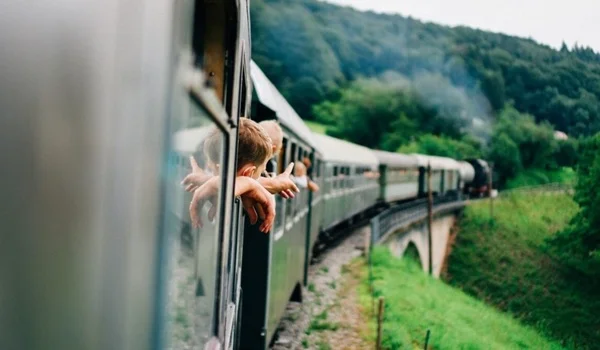
Railway tourism business means building a tourism-related service around train journeys, railway stations or destinations connected by rail.
It does not necessarily mean owning or operating a train.
A business can earn from railway passengers by providing services before, during or after their journey.
For example:
Train ticket → Station pickup → Hotel → Sightseeing → Local food → Return transfer
This creates multiple opportunities for entrepreneurs.
Why Railway Tourism Has Business Potential
Railway travel connects major cities with some of India’s most popular tourist destinations.
A traveller arriving at a railway station may immediately need:
- A hotel
- Taxi or auto
- Local sightseeing
- Tourist guide
- Food
- Luggage storage
- Tour package
- Local transport
- Return-trip planning
This creates a complete tourism ecosystem around busy stations.
Indian Railways’ annual report identifies several rail-based tourism products, including Bharat Gaurav Trains, Maharajas’ Express, Golden Chariot, Palace on Wheels, Deccan Odyssey, Buddhist Circuit Special Train, Rail Tour Packages and chartered trains/coaches.
- Railway Tour Package Business
One of the most attractive opportunities is selling complete rail-based holiday packages.
A package can combine:
- Rail tickets
- Hotel accommodation
- Meals
- Road transport
- Sightseeing
- Tour guide
- Travel assistance
IRCTC’s Rail Tour Packages are structured around this concept and can include confirmed rail tickets, road transfers, hotel stay, meals, sightseeing and accidental insurance.
A private tourism business can similarly create packages around popular railway destinations, subject to applicable travel-agent and supplier arrangements.
- Hotel Business Near Tourist Railway Stations
Hotels are one of the most direct beneficiaries of railway tourism.
A hotel near a popular station can target:
- Tourists
- Families
- Pilgrims
- Business travellers
- Backpackers
- Railway transit passengers
Hotels can also create packages with:
Room + Breakfast + Station Pickup + Sightseeing
This increases the value of each customer.
- Railway Station Taxi and Tourist Transport
Transportation is another strong opportunity.
Tourists arriving by train may need:
- Hotel transfer
- Sightseeing taxi
- Airport transfer
- Outstation taxi
- Temple transfer
- Local tours
A tourist taxi business can earn from both individual trips and complete sightseeing packages.
The advantage is that the same vehicle can potentially serve multiple tourism segments rather than depending entirely on railway station passengers.
- Local Sightseeing Tour Business
A tourist arriving in a new city may not know the best places to visit.
A local sightseeing business can create:
- Half-day tours
- Full-day tours
- Private tours
- Group tours
- Heritage tours
- Religious tours
- Food tours
The business can pick up tourists at the railway station or hotel and return them to the same area after the tour.
- Tour Guide Business
Popular railway destinations also create opportunities for local guides.
A guide can specialise in:
- History
- Heritage
- Religious sites
- Architecture
- Wildlife
- Local culture
- Food
For a small entrepreneur, guiding can have relatively low infrastructure requirements compared with starting a hotel or transport fleet.
The main challenge is building trust and finding customers consistently.
- Homestay Business
Travellers increasingly look for local and affordable accommodation.
A homestay near a popular railway route can target tourists who want:
- Local food
- Family-friendly accommodation
- Personal service
- Cultural experiences
A homestay can also sell local sightseeing and transport services as additional offerings, subject to applicable local rules.
- Pilgrimage Tourism Around Railway Routes
Railways serve many important pilgrimage destinations.
IRCTC Tourism currently lists pilgrimage packages covering destinations such as Chardham, Puri, Rameswaram, Shirdi, Tirupati, Ujjain, Vaishno Devi and Varanasi.
This creates opportunities for businesses offering:
- Hotel stays
- Taxi services
- Temple tours
- Local guides
- Pilgrimage packages
- Food
- Station transfers
Pilgrimage travel can also provide recurring demand beyond conventional holiday seasons.
- Heritage Railway Tourism Business
Heritage rail journeys offer a different tourism segment.
Indian Railways includes hill railways and luxury tourist trains among its tourism offerings, while the annual report identifies multiple heritage and luxury train products.
Businesses can build services around:
- Heritage railway tours
- Historic station visits
- Local sightseeing
- Heritage hotels
- Guided experiences
- Photography tours
This can work particularly well where the railway journey itself is part of the tourist attraction.
- Scenic Railway Route Tourism
Scenic routes can create business opportunities because travellers may be interested in the journey as much as the destination.
Examples include mountain and coastal routes where the train passes through distinctive landscapes.
Tour operators can build products around:
- Scenic train rides
- Photography trips
- Weekend packages
- Hotel stays
- Local sightseeing
- Nature experiences
However, route schedules and train operations should always be checked before selling a package.
- Bharat Gaurav Tourist Train Business
Bharat Gaurav is a particularly interesting railway-tourism opportunity.
Indian Railways introduced theme-based tourist circuit trains under the Bharat Gaurav Train Policy. The service-provider model allows the service provider to design its business model and set tariffs, while packages can include rail travel, accommodation, meals, sightseeing and related services.
This is more suitable for established tourism operators because operating a complete tourist-train package involves considerably more coordination and financial capacity than selling normal local tours.
- Railway Travel Agency Business
Travel agents can build a business around railway tourism by helping customers arrange complete trips.
Services may include:
- Train ticket assistance
- Hotel bookings
- Local transportation
- Sightseeing
- Tour packages
- Travel insurance where applicable
IRCTC Tourism includes travel-agent services within its broader tourism ecosystem.
A travel agency does not necessarily need to own hotels or vehicles. It can work through supplier partnerships.
- Railway Station Pickup and Drop Service
A simple business can focus only on station transfers.
For example:
Railway Station → Hotel
Hotel → Railway Station
This model can be useful in tourist cities where visitors want reliable transportation after arriving.
Hotels can become regular sources of business through direct partnerships.
- Local Food Tourism
Tourists often want to try local food after arriving at a destination.
A business can create:
- Food walks
- Local restaurant tours
- Street-food experiences
- Regional cooking experiences
- Food-and-sightseeing packages
Railway stations can act as starting points because passengers often want to experience local food soon after arrival.
- Souvenir and Local Product Business
Tourists often purchase products that remind them of a destination.
Possible products include:
- Handicrafts
- Local textiles
- Decorative products
- Regional sweets
- Cultural souvenirs
- Traditional products
A retail business can operate near a railway station, hotel district or tourist attraction.
- Luggage and Travel Assistance
Tourists carrying large bags may need temporary luggage support.
A business near a railway station can potentially provide:
- Luggage storage
- Packing
- Delivery to hotel
- Local transport
- Travel assistance
Where railway premises are involved, the appropriate railway permissions must be checked separately.
- Railway Photography and Experience Tours
Scenic and heritage railway routes can create opportunities for specialised tourism businesses.
A photography tour could combine:
Train journey + Scenic stops + Photography guide + Local sightseeing
This is a niche model, but it can target travellers willing to pay for a specialised experience rather than a standard sightseeing package.
- Corporate and Group Railway Tourism
Railway tourism is not limited to individual travellers.
Businesses can organise:
- Corporate group tours
- School/college trips
- Family group packages
- Senior citizen tours
- Cultural groups
- Pilgrimage groups
Group travel can increase the value of each booking because accommodation, transport and sightseeing are sold together.
- Luxury Train Tourism Support
Luxury trains attract premium travellers who may require additional services before or after the train journey.
Indian Railways’ tourism ecosystem includes luxury products such as Maharajas’ Express, Golden Chariot, Palace on Wheels and Deccan Odyssey.
Businesses can target these travellers through:
- Premium hotels
- Chauffeur services
- Airport transfers
- Fine dining
- Private guides
- Luxury local experiences
The customer volume may be smaller than budget tourism, but the potential value per customer can be much higher.
- Railway Route-Based Weekend Trips
Weekend packages can be created around cities that have convenient train connectivity.
A package may include:
Train + Hotel + Local Transport + Sightseeing
This model can target:
- Working professionals
- Couples
- Families
- College students
- Small groups
The key is selecting destinations where travel time is practical and attractions can be covered in a short stay.
- Online Railway Tourism Platform
An entrepreneur can also build a digital business rather than a traditional travel office.
A website or app could help travellers compare or book:
- Hotels near stations
- Local taxis
- Sightseeing
- Tour packages
- Guides
- Transfers
- Food experiences
The business can earn through:
- Booking commissions
- Lead generation
- Supplier fees
- Package margins
- Advertising
This model requires stronger digital marketing and supplier management but can scale beyond a single city.
Popular Railway Tourism Business Routes
The best opportunities are usually found around destinations where the rail journey connects directly to tourism demand.
Hill Railway Destinations
Hill railway routes can attract travellers who consider the train ride part of the experience.
Pilgrimage Routes
These can benefit from recurring demand throughout the year.
Heritage Cities
Historical cities can support guided tours, hotels, transport and food experiences.
Coastal Destinations
Railway connectivity to coastal destinations can create weekend and holiday packages.
Wildlife Destinations
Stations serving national parks or wildlife regions can support safari transfers, hotels and guided tours.
How to Start a Railway Tourism Business
Step 1: Select the Destination
Choose one railway-connected tourist destination instead of trying to cover the whole country initially.
Step 2: Identify the Customer
Decide whether you want to target:
- Families
- Couples
- Pilgrims
- Luxury travellers
- Backpackers
- Corporate groups
Step 3: Build Local Partnerships
Partner with:
- Hotels
- Taxi operators
- Restaurants
- Guides
- Local attractions
- Travel agencies
Step 4: Create a Package
For example:
Train + Hotel + Station Pickup + Local Sightseeing
IRCTC’s own tour-package model demonstrates how rail travel can be combined with accommodation, transfers, meals and sightseeing.
Step 5: Sell Online
Use:
- Website
- Google search
- Social media
- Travel marketplaces
- WhatsApp enquiries
- Local partnerships
Step 6: Manage the Customer Experience
Tourism depends heavily on service quality.
Make sure customers receive:
- Clear itineraries
- Confirmed bookings
- Reliable transport
- Correct hotel information
- Emergency contact details
Railway Tourism Investment
Investment depends on your business model.
Low-Investment Models
- Local guide
- Travel consultancy
- Online travel lead generation
- Tour coordination
Medium-Investment Models
- Taxi business
- Homestay
- Small tour operator
- Local sightseeing company
Higher-Investment Models
- Hotel
- Large travel agency
- Multiple-vehicle fleet
- Large group-tour operation
- Tourist train operation
This makes railway tourism accessible to entrepreneurs with different capital levels.
How Railway Tourism Businesses Make Money
Revenue can come from several sources.
Tour Package Margin
A business sells a package for more than its combined supplier cost.
Hotel Commission
Hotels may provide commissions or contracted rates to travel partners.
Transport Revenue
Taxi and bus services can generate direct income.
Guide Fees
Specialist guide services can be charged separately.
Activity Fees
Experiences such as local tours or activities can generate additional revenue.
Booking Commissions
Online businesses can earn commissions on bookings made through partner platforms.
Example of a Tourism Package
Suppose a business sells a two-day package for:
₹12,000 per person
For a group of 20 tourists:
20 × ₹12,000 = ₹2,40,000 gross booking value
Suppose total supplier and operating costs are:
₹2,00,000
Potential operating surplus:
₹40,000
This is only a hypothetical example.
Actual margins depend on hotel rates, transport, ticket costs, taxes, commissions and customer-acquisition expenses.
What Makes Railway Tourism Profitable?
- Strong Destination Demand
A popular tourist destination provides a larger potential customer base.
- Good Railway Connectivity
Frequent and convenient trains make packages easier to sell.
- Complete Packages
Bundling several services can increase revenue per customer.
- Local Partnerships
Good supplier relationships can improve pricing and service quality.
- Seasonal Planning
Tourism businesses must prepare for peak and off-season periods.
- Online Marketing
Many travellers research hotels, transport and tours before reaching their destination.
Railway Tourism Business Challenges
Seasonality
Demand can increase dramatically during holidays and decline during off-season periods.
Competition
Online travel companies and local operators compete for the same customers.
Service Dependency
Your reputation can suffer because of a hotel, taxi driver or guide even when you did not directly provide that service.
Train Schedule Changes
Tour itineraries may need adjustment if train timings or operations change.
Customer Cancellations
Travel businesses need clear cancellation and refund policies.
Supplier Management
Poor local suppliers can damage customer experience.
How to Make the Business Successful
Focus on One Destination First
Build expertise instead of selling generic all-India packages.
Offer Complete Convenience
Customers value packages that simplify transport, accommodation and sightseeing.
Keep Pricing Transparent
Clearly explain inclusions and exclusions.
Build a Reliable Local Network
Good hotels, drivers and guides are critical.
Create Different Package Levels
For example:
- Budget
- Standard
- Premium
Collect Reviews
Tourism businesses depend heavily on customer trust.
Can Small Entrepreneurs Enter Railway Tourism?
Yes.
You do not need to start with a luxury train or a large tour company.
A small entrepreneur can begin with:
Station Pickup + Hotel Booking + Local Sightseeing
Later, the business can expand into:
Complete Tour Packages → Group Tours → Multi-Destination Packages
This makes railway tourism a flexible business category.
Railway Tourism vs Normal Travel Agency
| Factor | Railway Tourism | General Travel Agency |
| Main Focus | Rail-connected destinations | Broad travel |
| Customers | Railway travellers | All travellers |
| Products | Rail tours, station services, tourism | Flights, hotels, tours etc. |
| Location Advantage | Strong around tourist stations | Less location-dependent |
| Revenue | Packages and local services | Booking commissions and packages |
| Expansion | Route/destination based | More flexible |
A railway-focused travel business can develop a strong niche rather than competing across every travel category.
Important Legal and Business Requirements
Depending on the services offered, you may need to consider:
- Business registration
- GST requirements where applicable
- Local tourism permissions
- Commercial vehicle permits
- Hotel licences/registrations
- FSSAI compliance if selling food
- Insurance
- Contracts with suppliers
- Terms and conditions for customers
Requirements vary according to the state, city and nature of the service.
Do not assume that becoming a travel agent automatically authorises you to operate taxis, hotels or railway commercial services.
Final Thoughts
Railway tourism is a broad business opportunity that extends far beyond selling train tickets. The strongest opportunities often come from building a complete travel ecosystem around popular railway routes and tourist destinations.
Entrepreneurs can earn from tour packages, hotels, taxis, guides, sightseeing, food tours, homestays, local products and travel assistance.
India’s railway tourism ecosystem already includes Rail Tour Packages, Bharat Gaurav trains, luxury trains, tourist trains and other products, demonstrating the commercial potential of combining rail travel with tourism services.
For a beginner, the easiest entry point may be a destination-focused business such as station pickup + hotel + sightseeing. As customer demand grows, the business can expand into complete holiday packages and group tours.
The key is to choose a route with strong tourist demand, build reliable local partnerships and sell a convenient package rather than only a single service.
FAQs
Is railway tourism a good business in India?
It can be a promising niche because many tourist and pilgrimage destinations are connected by rail. Businesses can earn through accommodation, transport, sightseeing and complete tour packages.
What railway tourism business can I start with a small investment?
A local tour-guide service, destination travel agency, station pickup service or sightseeing coordination business can require less capital than a hotel or large transport operation.
Can I create my own railway tour package?
Yes, a tourism business can create packages combining permitted travel, accommodation, transport and sightseeing services. You should clearly disclose what is included and follow applicable travel-business requirements.
What are Bharat Gaurav tourist trains?
Bharat Gaurav trains are theme-based tourist circuit trains introduced under the Bharat Gaurav Train Policy. Service providers can develop tourism packages around these circuits, with offerings that may combine rail transportation, accommodation, meals and sightseeing.
How can a railway tourism business make money?
Revenue can come from tour-package margins, hotel commissions, taxi and transport services, guide fees, sightseeing packages, activity charges and booking commissions.
Which railway destinations are best for tourism business?
The best locations are generally those with strong tourist, pilgrimage, heritage, scenic or cultural demand and good railway connectivity. The ideal destination depends on your target customer and business model.